
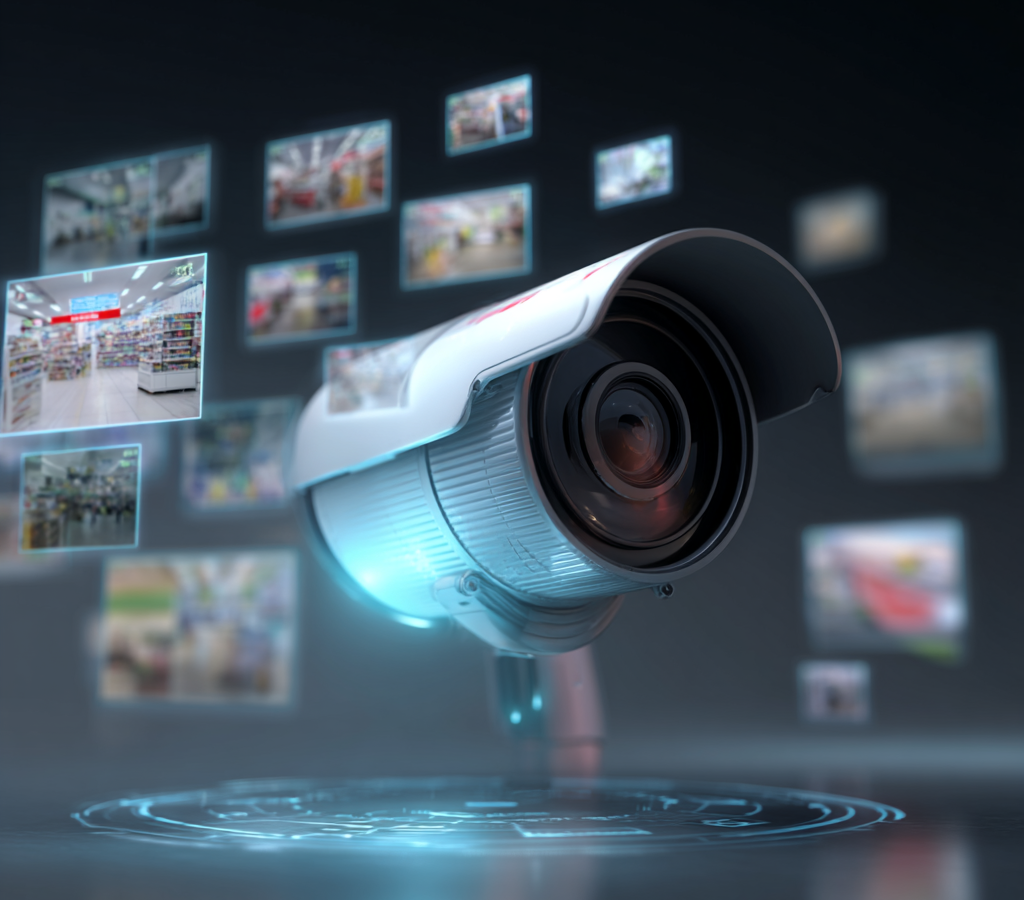
Mini security cameras used to follow a simple pattern. They recorded video. They sent that video to the cloud or to local storage. A person had to review the footage later. Even motion alerts were usually basic. A moving shadow could trigger them. A passing car could trigger them. Rain could trigger them too.
Local AI processing changes that model at the device level.
When a mini security camera can process data on the device, it no longer acts as a passive sensor. It starts to behave like a small decision system. That does not turn it into a perfect observer. It still depends on lens quality, light conditions, processing limits, and training data. The difference is more practical. The camera can now classify, filter, and react before the footage leaves the device.
That shift affects accuracy, speed, bandwidth, storage, privacy, power use, and the way people trust alerts.
The camera stops treating all motion…